Where Did the Term ‘Rubber Match’ Come From? The Surprising Origin
Where did the term rubber match come from, and why do we still use it today to describe a decisive final game? Whether you are navigating competitive sports or looking for an excuse for a playful third date, understanding the rubber match meaning reveals a fascinating linguistic history. It is the ultimate tie-breaker.
What Exactly Is a Rubber Match?
If you’re wondering what is a rubber game, it is simply a tie-breaking contest. When two opponents have each won an equal number of games in a series—typically one win apiece—the third and final game becomes the “rubber.” This determines the ultimate victor, adding tension and excitement to the deciding round.
The 16th-Century Lawn Bowls Myth: The ‘Rub’
When searching for the rubber game origin, you will inevitably encounter a popular piece of folk etymology. Many claim it stems from 16th century lawn bowls terminology. The myth suggests that when bowls touched or “rubbed” against each other on the green, it was called a rub, eventually morphing into “rubber.” However, historians and linguists have largely debunked this as mere coincidence.
The True Origin: How Whist and Bridge Created the ‘Rubber’
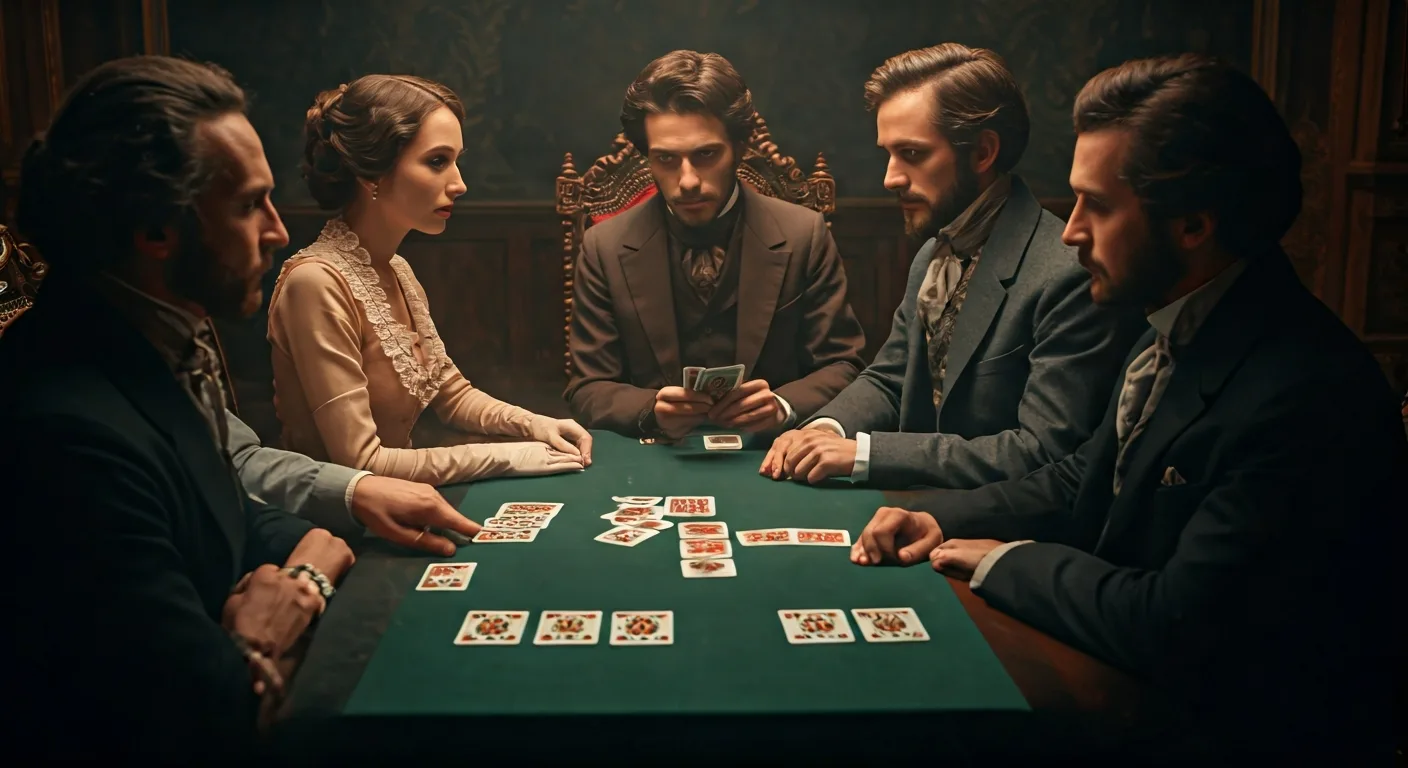
The documented tie breaker history is rooted in traditional card games, specifically Whist and its later descendant, Bridge. In the mid-19th century, a “rubber” explicitly referred to a set of three games. The player or team that won two out of the three won the rubber. The Oxford English Dictionary recorded this specific usage of the word “rubber” as early as 1843, cementing its place in the English language long before it reached athletic fields.

From the Card Table to the Baseball Diamond
Over time, the phrase escaped the parlor and entered the mainstream lexicon of rubber match sports. Baseball, tennis, and basketball enthusiastically adopted the term for a final game that breaks a tie. Because the phrase so perfectly encapsulates the tension of a deciding matchup, sports broadcasters and fans embraced it, eventually forgetting its original card-playing roots.
The Rubber Match in Modern Dating and Relationships
Today, the concept extends far beyond professional athletics into relationship dynamics. In modern dating, a Tie-breaker or “rubber match” often acts as a playful framing for a third date. If the first date was great, but the second was just okay, the third date becomes the deciding factor. It transforms a high-stakes relationship decision into a fun, low-pressure game, proving that the language of 19th-century card games is still highly relevant in modern romance.